Same-week installs across Merced & Stanislaus County
Water 101

What's actually in your water?

"It removes iron" doesn't mean much until you see it. Here's what each contaminant looks like in a real Central Valley home, how you'd notice it, and exactly which of our systems handles it.

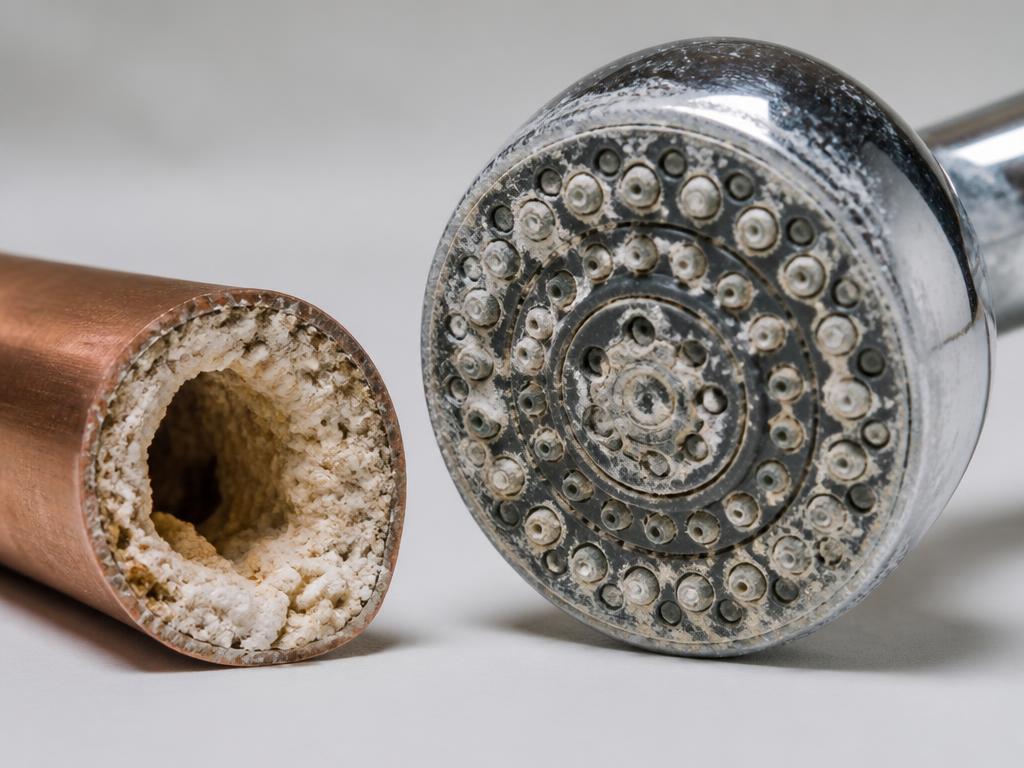
Cutaway copper pipe and shower head clogged with white calcium scale

That white crust is limescale. Inside a pipe it narrows the opening; inside a water heater it bakes onto the element and burns extra gas or electricity every single day.

Hard water (calcium & magnesium)

Dissolved rock minerals. The Central Valley runs some of the hardest water in California — often 10–25 grains per gallon.

How you'd notice it

  • White chalky crust on faucets, shower heads and glass
  • Soap and shampoo won't lather
  • Skin feels dry and tight after a shower
  • Water heater rumbling or failing early

Why it matters: Scale is the #1 killer of water heaters, dishwashers and washing machines in Merced and Stanislaus County. Softening protects thousands of dollars of appliances.

Which system handles it

  • Everyday Softener (32,000 grain)
  • Precision Softener (30,000 grain digital)
  • Salt-Free Scale-Guard Bundle (prevents scale without salt)

Measured in: Grains per gallon (gpg) — over 7 gpg is considered hard, over 10 is very hard
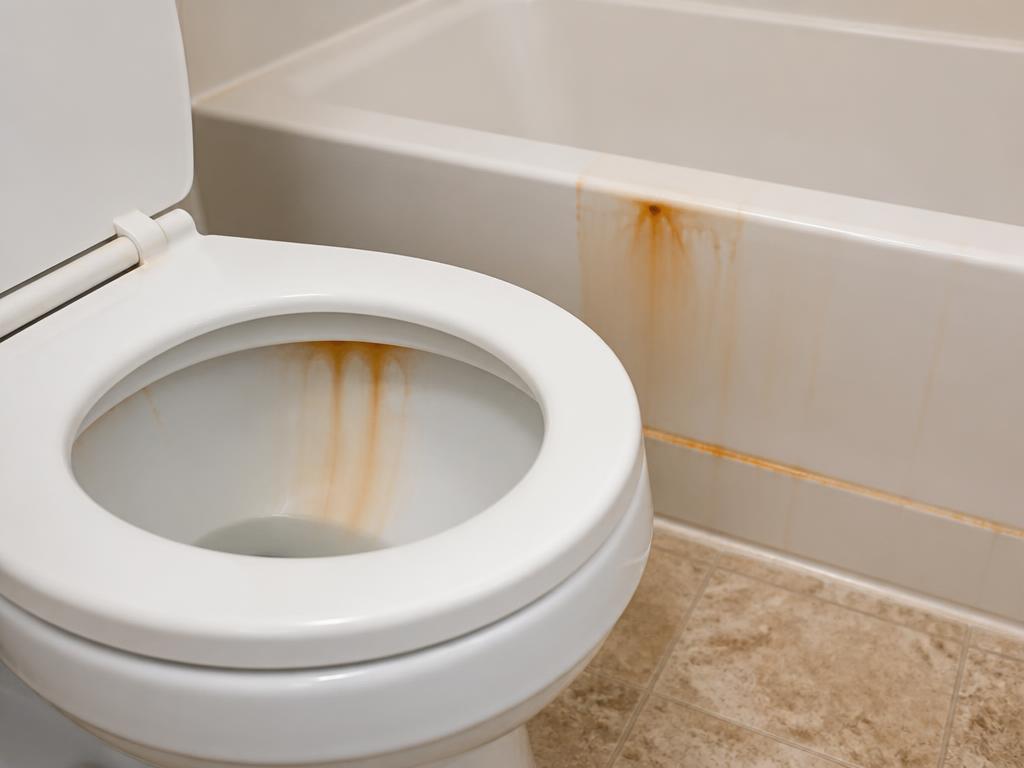
Orange rust staining streaks in a white toilet bowl and bathtub

This is iron, not dirt. No amount of scrubbing keeps it away, because it comes back with every flush and every load of laundry.

Iron

A dissolved metal common in well water. When it hits air it oxidizes into rust — and rust stains everything it touches.

How you'd notice it

  • Orange or brown rings in toilets, tubs and sinks
  • Metallic or 'penny' taste in drinking water
  • White laundry turning yellow or orange
  • Water looks clear from the tap, then turns rusty in the glass

Why it matters: Iron permanently stains porcelain and fabric, clogs fixtures and aerators, and feeds iron bacteria that cause musty odors.

Which system handles it

  • Precision Softener + Iron/Manganese — up to 5 ppm iron removed in the same tank

Measured in: Parts per million (ppm). Staining usually starts around 0.3 ppm.

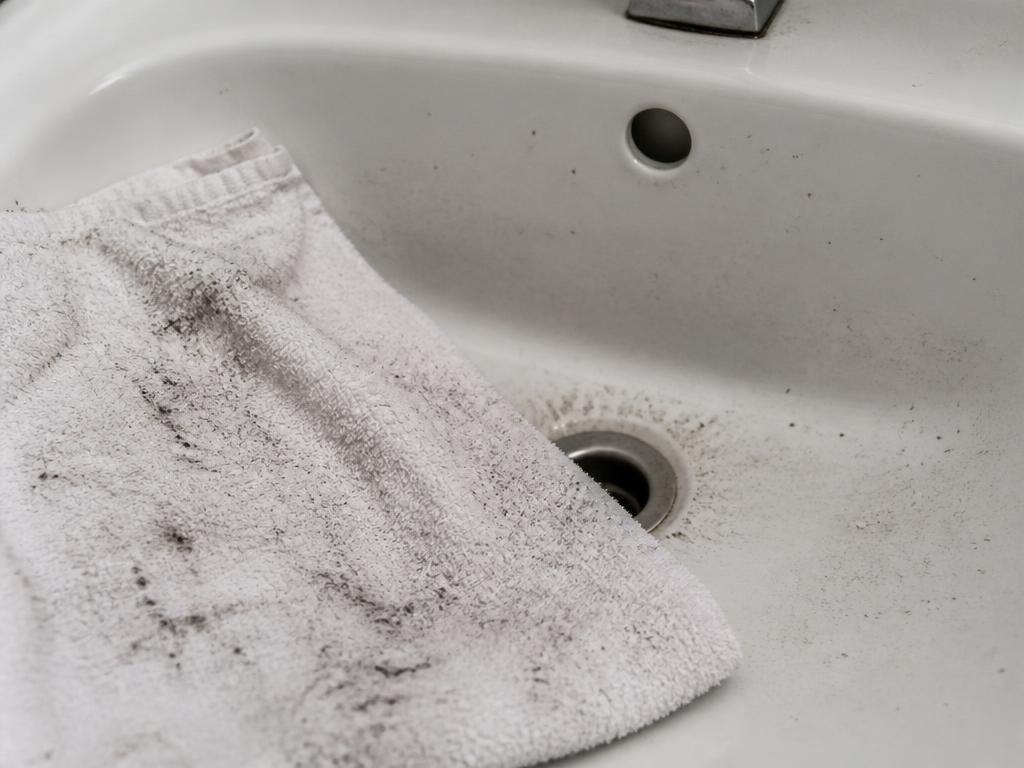
White sink and towel with black and gray manganese specks and staining

Black specks in the sink and gray streaks on towels are classic manganese. Many homeowners assume it's mold or dirty pipes.

Manganese

Iron's darker cousin. Same well-water origin, but it stains black or gray instead of orange.

How you'd notice it

  • Black or dark gray specks in sinks, tubs and ice makers
  • Grayish dingy laundry that never looks bright
  • Bitter or oily taste
  • Dark sludge inside the toilet tank

Why it matters: Manganese stains at very low levels and builds up as sludge in water heaters and toilet tanks. California's secondary standard is just 0.05 ppm.

Which system handles it

  • Precision Softener + Iron/Manganese — up to 2 ppm manganese removed in the same tank

Measured in: Parts per million (ppm). Staining can start around 0.05 ppm.

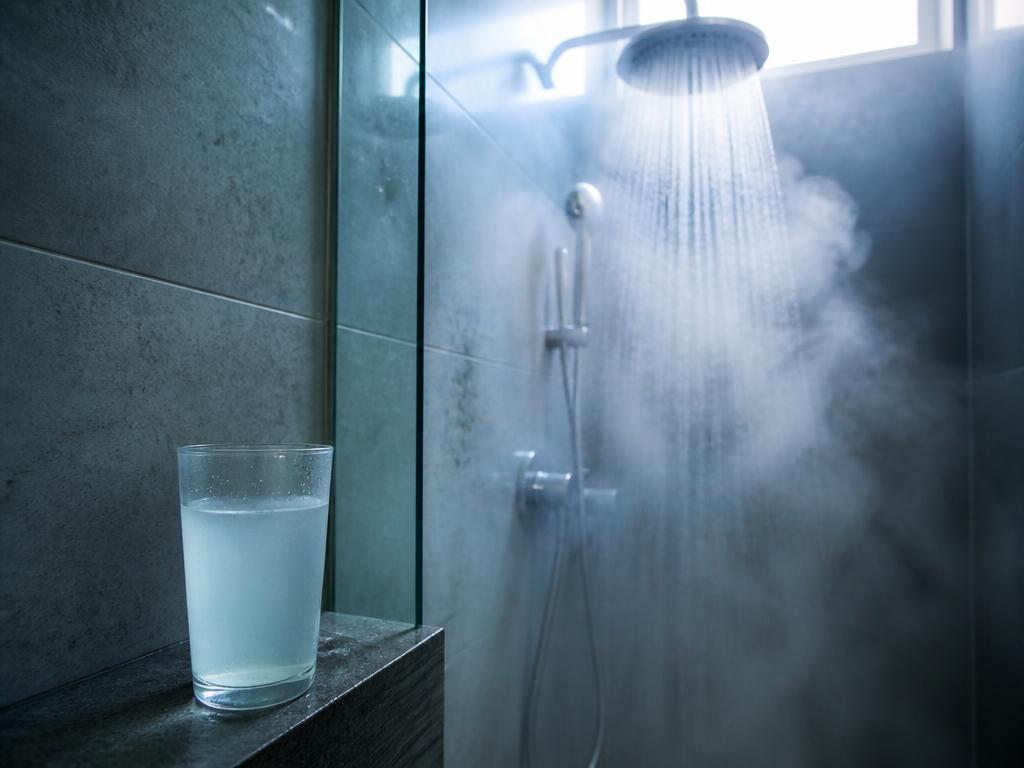
Steamy shower with a glass of tap water, illustrating chlorine smell in hot water

Hot water releases these disinfectants as vapor — that 'pool smell' in your shower is what you're breathing in.

Chlorine & chloramines

Disinfectants your city adds to keep water safe in the pipes. Most Merced and Stanislaus cities now use chloramine, which standard carbon filters can't remove.

How you'd notice it

  • Pool or bleach smell, especially in a hot shower
  • Flat or chemical taste in drinking water and coffee
  • Dry, itchy skin and frizzy hair
  • Faded colors in laundry over time

Why it matters: Chloramine is more stable than chlorine, so it lingers all the way to your tap and requires catalytic carbon — not ordinary carbon — to remove.

Which system handles it

  • Salt-Free + Chloramine Filtration Bundle (450,000 gal catalytic coconut-shell carbon)
  • Under-sink Reverse Osmosis (drinking water only)

Measured in: Parts per million (ppm) of total chlorine

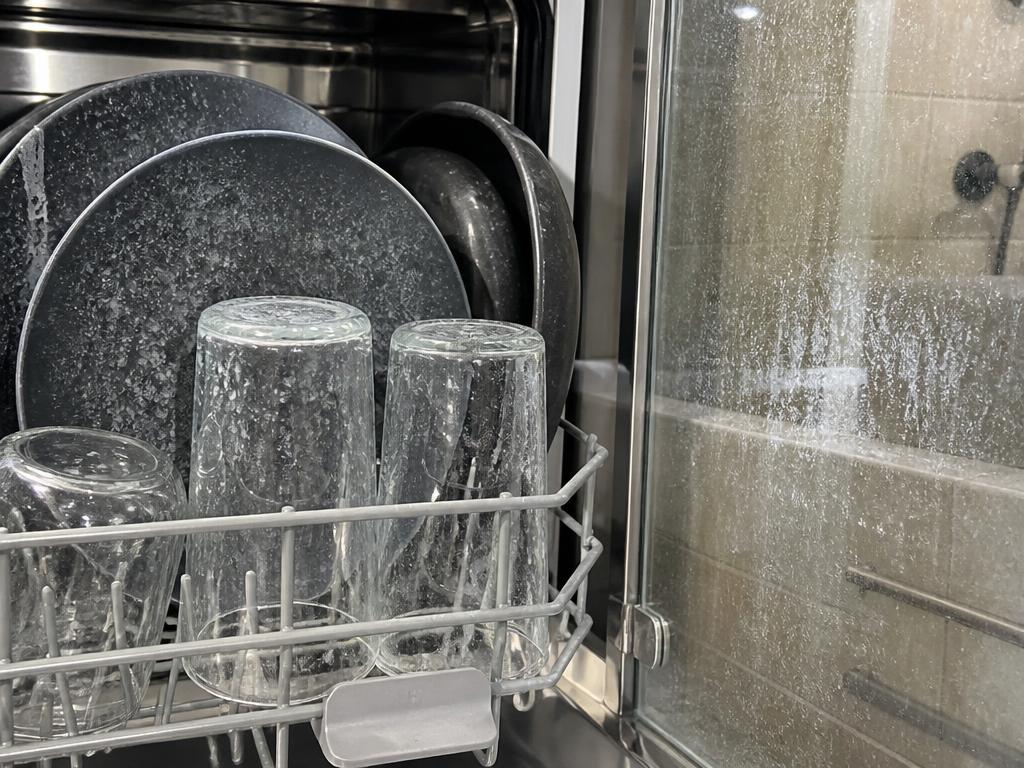
Hard water spots on dishwasher glassware and soap scum on a glass shower door

Left: glasses out of the dishwasher, still spotted. Right: soap scum welded onto a shower door. Both disappear once the hardness does.

Spots, film & soap scum

Not a contaminant on its own — it's what hardness leaves behind as water evaporates.

How you'd notice it

  • Cloudy glassware straight out of the dishwasher
  • Chalky film on tile and shower glass
  • Using twice the detergent to get anything clean

Why it matters: This is the change customers notice first — usually within a day or two of the install.

Which system handles it

  • Any of our three systems
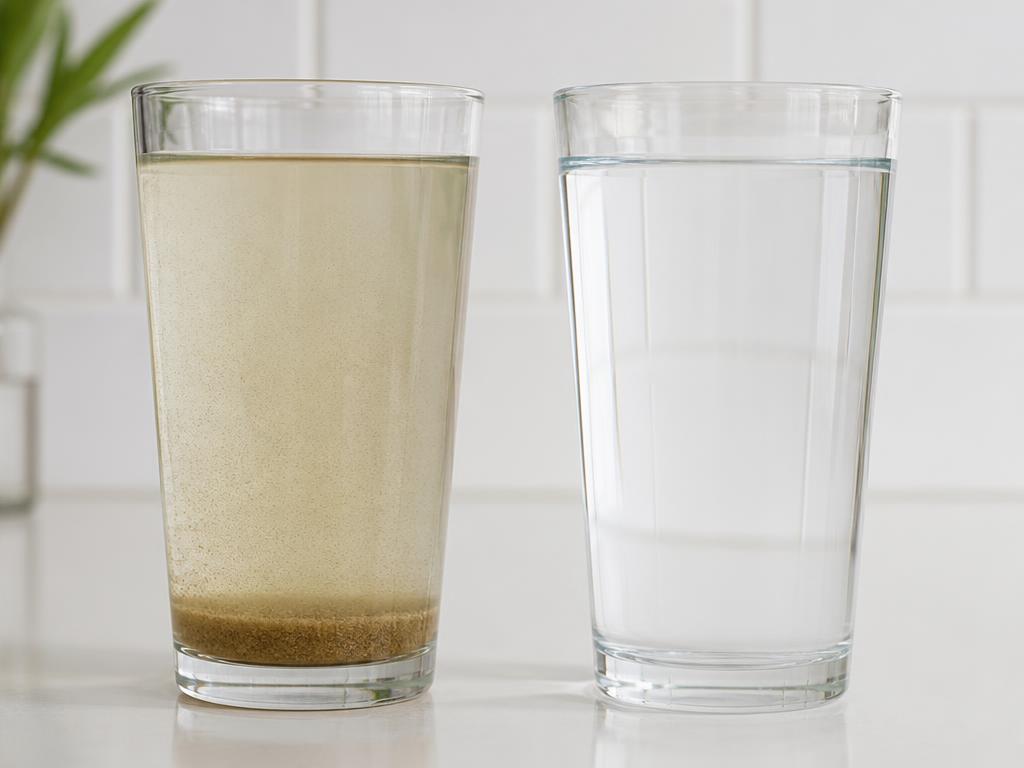
Two glasses of water side by side, one cloudy with sediment and one perfectly clear

Cloudy water with grit at the bottom is sediment. Water that looks clear but tastes 'heavy' is usually high TDS — dissolved solids you can't see.

Sediment, turbidity & TDS

Fine sand, silt and dissolved solids. Common on wells and after a city main break or repair.

How you'd notice it

  • Cloudy or tinted water, grit in aerators
  • Faucet screens clogging repeatedly
  • Heavy or salty taste in drinking water

Why it matters: Sediment chews up valves and seals in fixtures and appliances; high TDS is the main reason drinking water tastes off even when it's safe.

Which system handles it

  • Whole-home carbon filtration (sediment, taste & odor)
  • Under-sink Reverse Osmosis (TDS reduction for drinking water)

Measured in: TDS in parts per million (ppm); turbidity in NTU

The install, explained

What we're actually installing

Here's the anatomy of a typical Water Heros install so there are no surprises on install day.

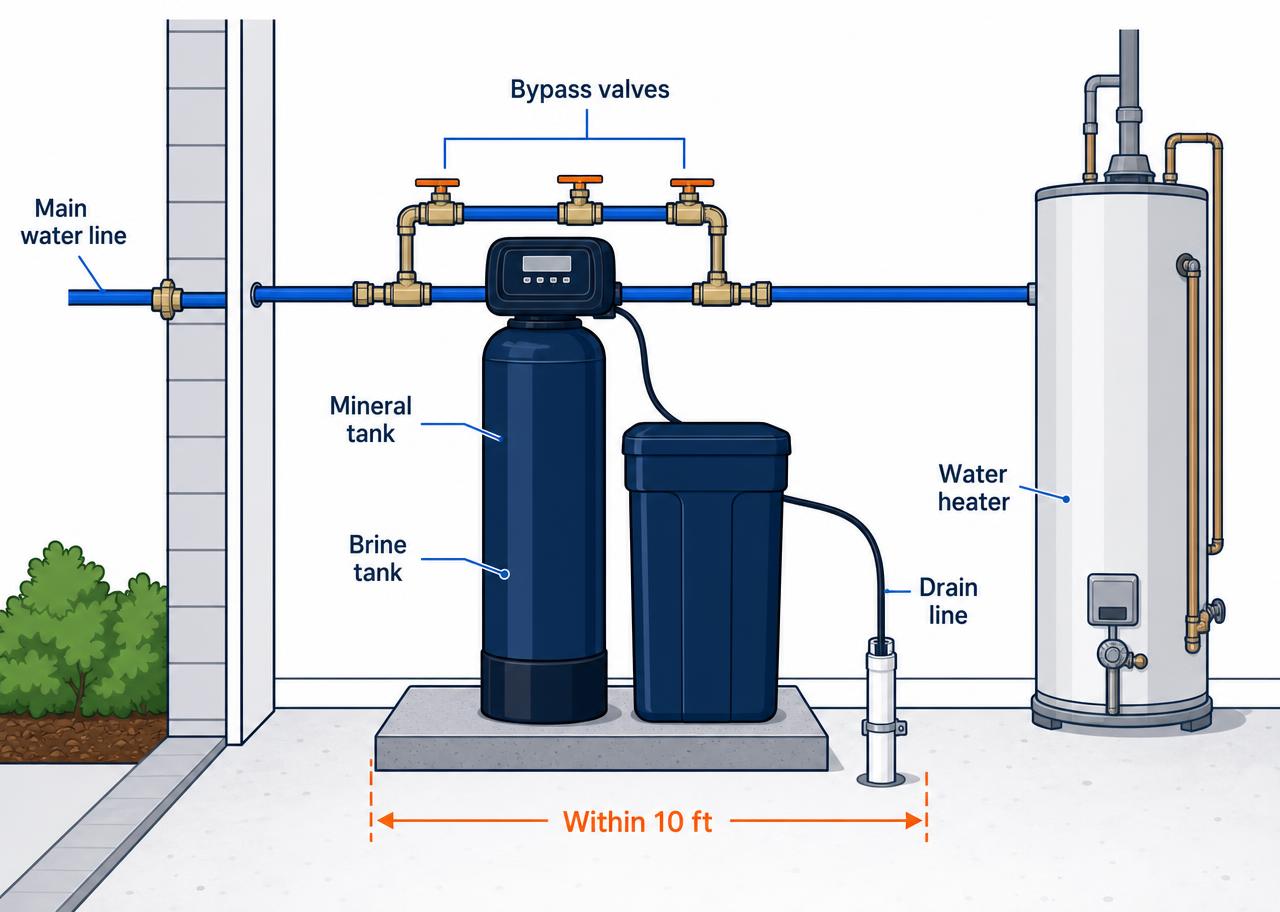
Diagram of a water softener install showing the main water line, bypass valves, mineral tank, brine tank, drain line and water heater
Where it goes
Your system ties into the main water line before it splits to the house — usually in the garage or on the side of the house — so every fixture gets treated water.
Bypass valves
We install a bypass loop so the system can be taken offline for service without shutting water off to the whole house.
Mineral tank
The tall tank. This is where the resin or media lives and where the actual softening/filtering happens as water passes through.
Brine tank
The shorter tank you add salt to (salt-based systems only). It recharges the resin during regeneration. Salt-free systems don't have one.
Drain line
During regeneration the system flushes to a drain or standpipe. Salt-free conditioners don't regenerate, so there's no drain line at all.
The 10-foot rule
Our installed price covers placement within 10 feet of the main water line on an existing flat, level surface. Longer plumbing runs or a new concrete pad are available as add-ons.

Know what you've got? Price your system.

Enter your ZIP and we'll show you installed pricing in about 60 seconds — or check the water report for your city first.